Misdiagnosis and late detection are the leading causes of preventable yield loss. With Agrio’s Agriculture API, you can integrate state-of-the-art AI image recognition and predictive pest modeling into your product immediately. Whether you need pest forecasting, disease detection, or field-level weather analytics, our robust API endpoints provide the data you need to make your product indispensable to farmers.
Our API Catalog
A photo-based plant diagnosis
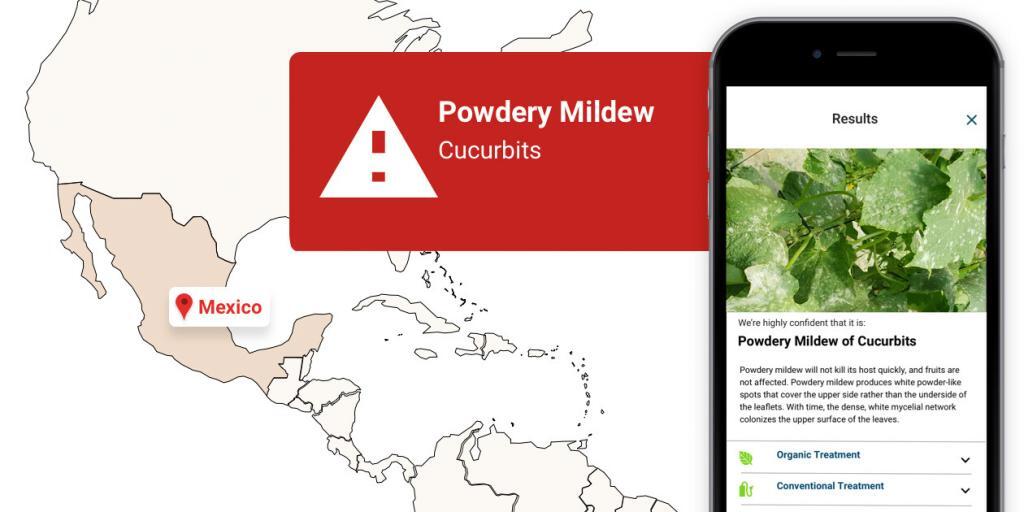
Our solution allows you to connect your application to our artificial intelligence engine. The system provides you with identifications and suggested solutions. Given a plant image, Agrio returns the most likely diagnoses with confidence and context-aware treatment options, reducing incorrect interventions caused by visual similarity between diseases.

AgrioShield: Prediction algorithms for plant pest and disease
AgrioShield complements visual diagnosis by estimating disease pressure before or between scouting events, allowing systems to act even when no symptoms are visible yet. AgrioShield notifies you after crop diseases and pests are predicted to arrive at a designated area or were detected on nearby farms. These alerts, along with written preventative measures, aid in impeding infestations and reducing yield losses.
Satellite imagery and alerts
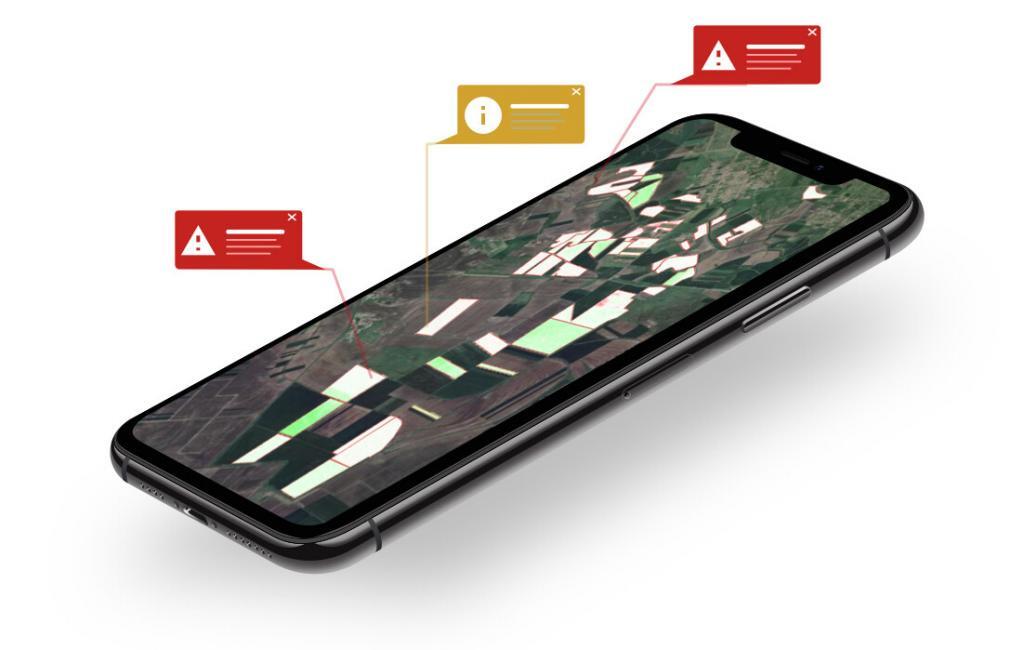
Leverage precision agriculture practices to support your users’ yield. With satellite imagery, farmers and crop advisors can solve problems before large-scale damage is done. Our artificial intelligence algorithms detect vegetation issues fast to allow farmers to know precisely when and where to act.
Start Today
Agrio APIs reduce costly agronomic mistakes by addressing two core failure modes: misdiagnosis and late intervention. Image-based diagnosis helps disambiguate visually similar diseases and nutrient disorders, while remote sensing disease pressure models signal when conditions are becoming favorable for infection, often before visible symptoms appear. Together, these capabilities allow systems to make earlier, more accurate decisions using field-level data rather than assumptions.