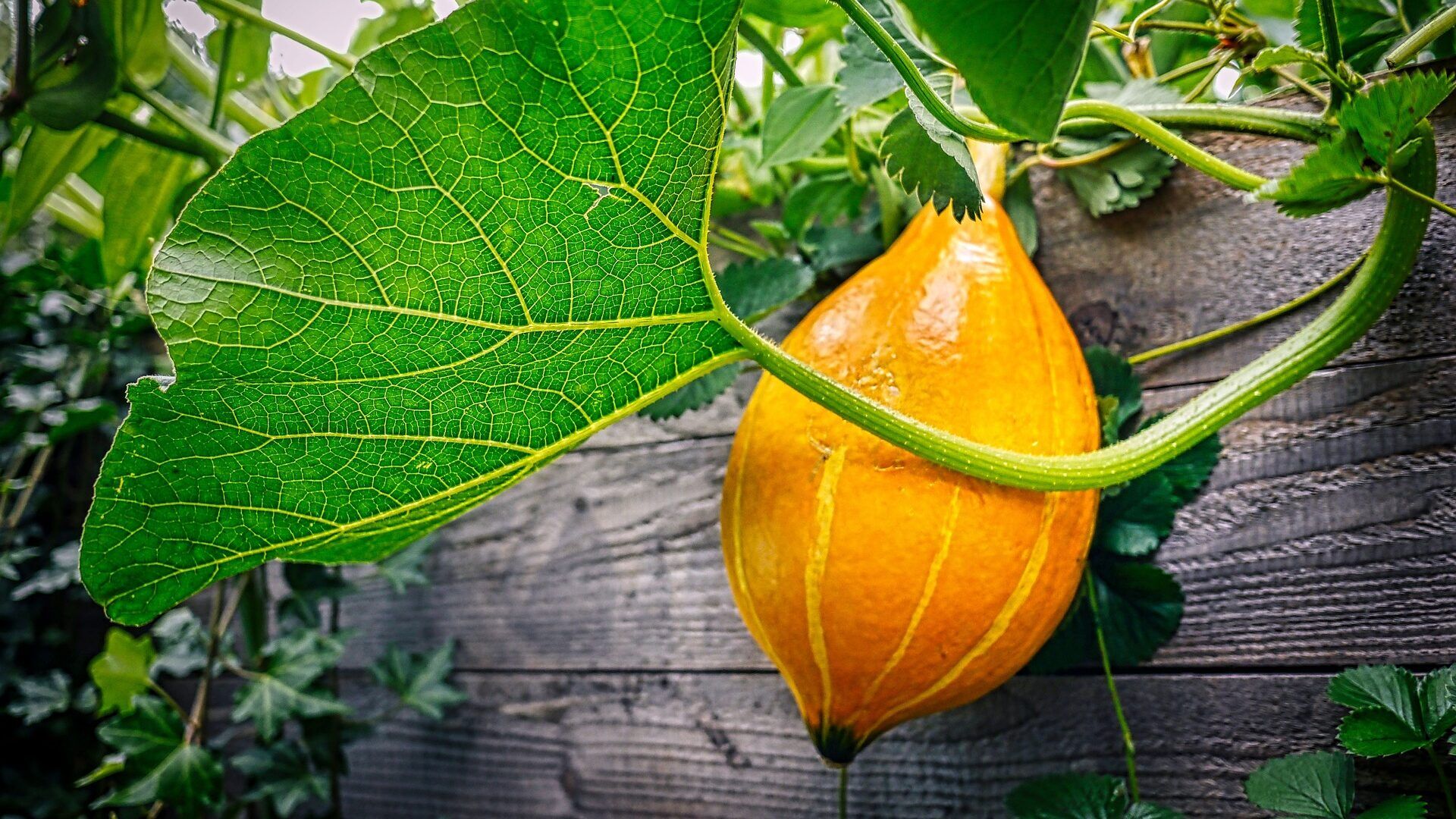
Raised bed garden is a popular and effective way to grow various plants, including vegetables, herbs, and flowers. They allow for better soil management and control over the growing environment, leading to healthier and more productive plants. There are several raised beds to choose from, each with its advantages and disadvantages. This article will look […]
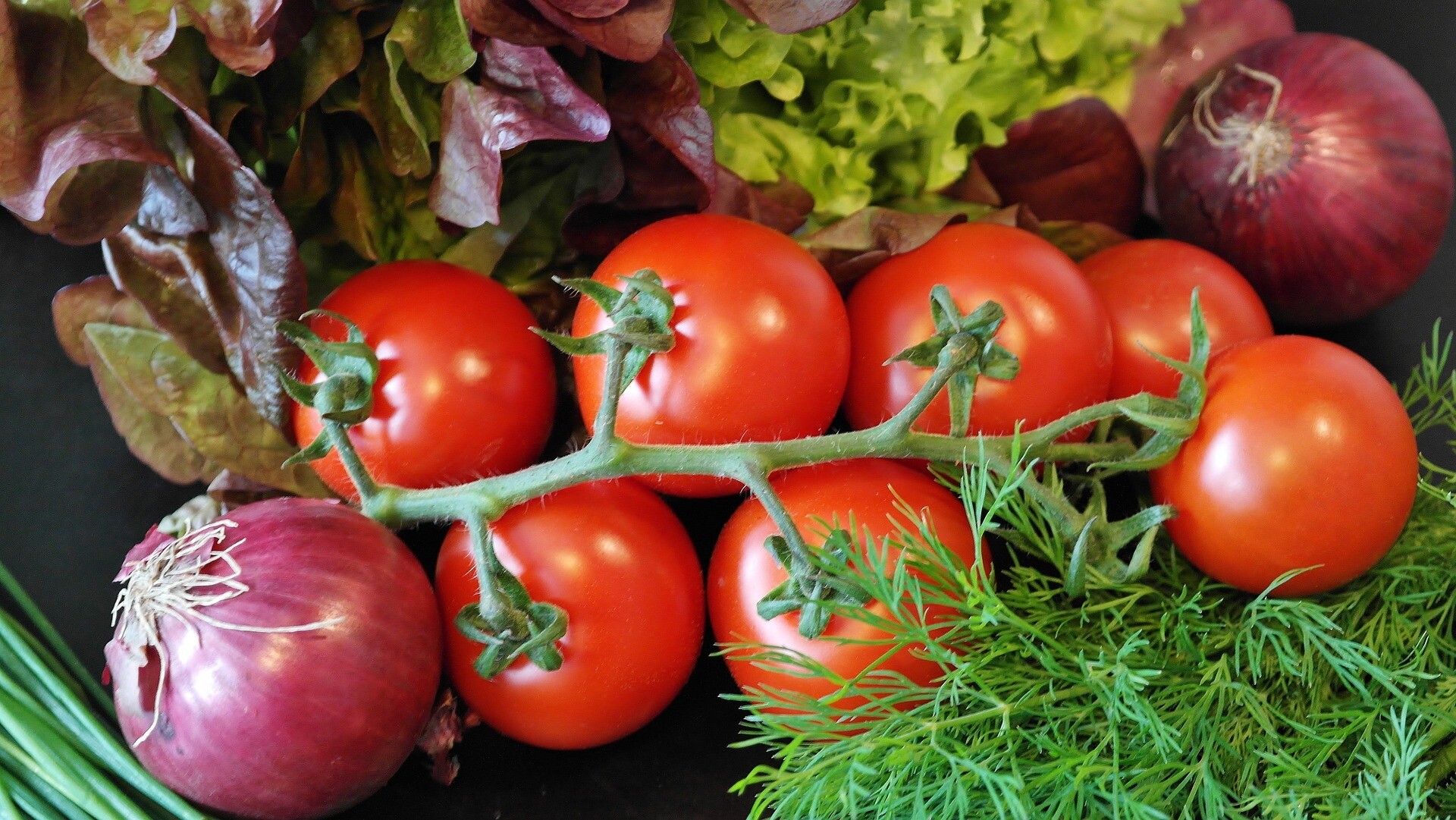
The Top Tomato Companion Plants for a Successful Harvest
Tomatoes are a staple in many home gardens, but did you know that choosing the right companion plants for tomatoes can help enhance their health and yield? Companion planting is a gardening technique that involves pairing different plant species together in the same area to take advantage of their complementary growth habits, nutrient requirements, and […]
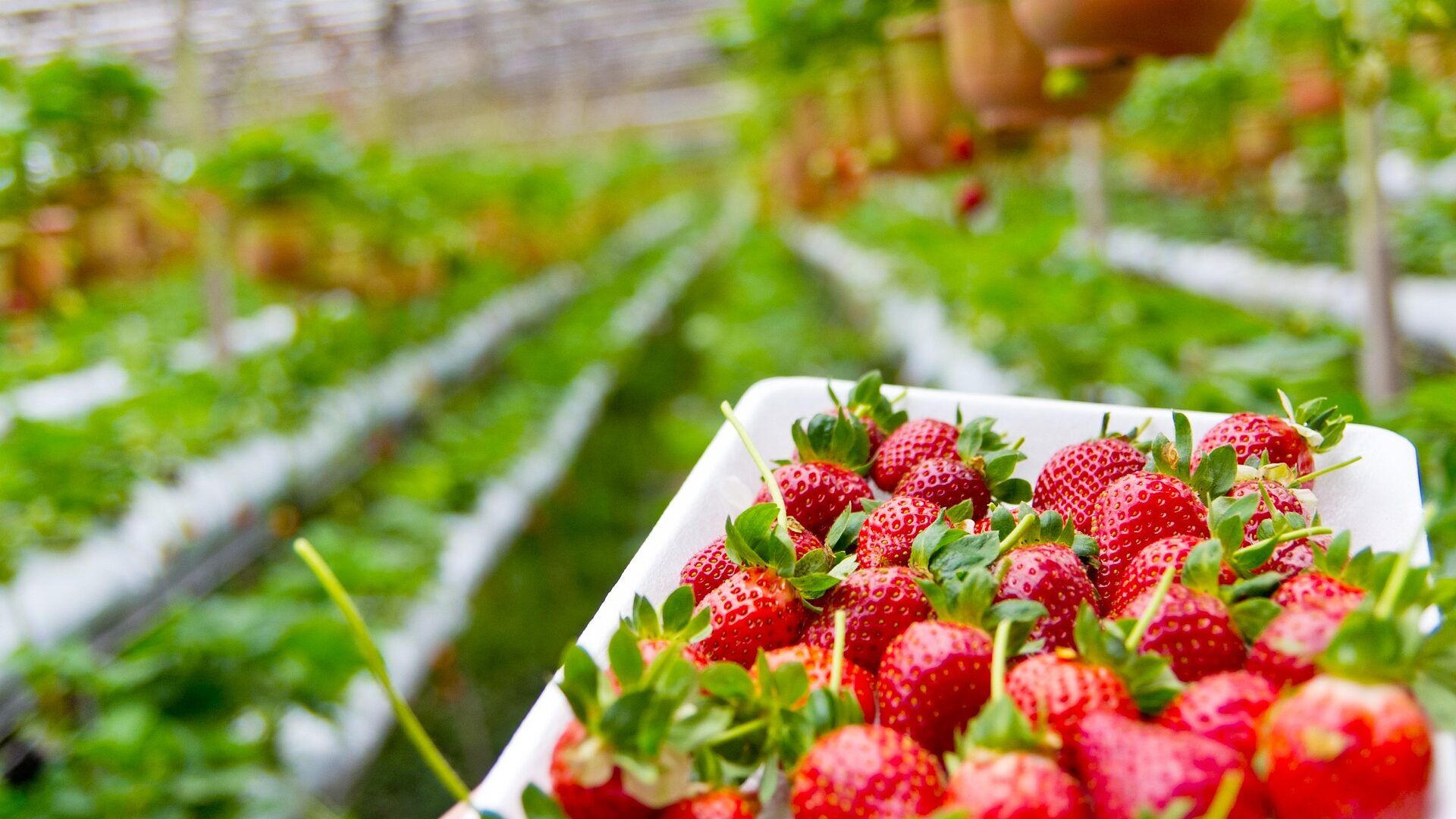
Strawberry Companion Plants: The Best Options for Your Garden
Companion planting is a gardening technique that involves pairing different plant species together in the same area to enhance their growth and productivity. This can be done for various reasons, including to deter pests, improve soil quality, or take advantage of the complementary growth habits of different plants. For home gardeners looking to grow strawberries, […]

Simplify your fruit tree selection with an app that tracks chill hours
Fruit trees require a certain amount of winter chill to produce fruit. This period of cold temperatures is necessary for the tree to properly go through the process of dormancy, which is essential for the tree’s overall health and fruiting potential. Different fruit tree varieties have different chill hour requirements, and it is important to […]
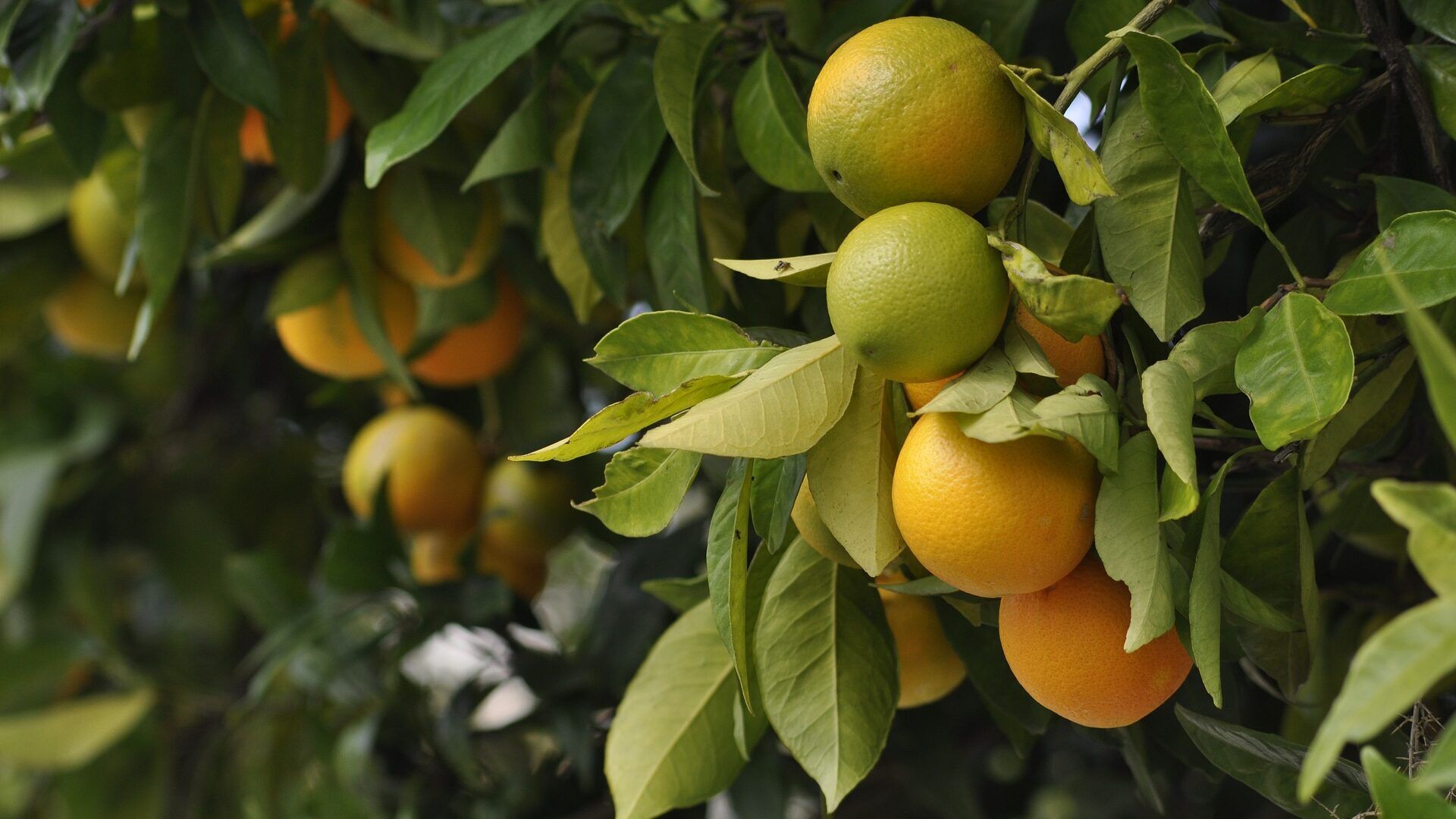
Using technology to monitor the spread of citrus greening disease
Citrus greening disease, also known as Huanglongbing (HLB), is a serious and deadly bacterial disease that affects citrus plants, including oranges, lemons, and grapefruits. The disease is transmitted by small insect vectors, such as the Asian citrus psyllid, and causes the fruits to become misshapen, bitter, and inedible. Citrus greening disease has devastated citrus crops […]

How a field scouting app can improve pest and disease control
In the field of agronomy, scout teams play a vital role in protecting crops from pests and diseases. These teams are responsible for regularly checking fields for signs of infestation or infection and for implementing control measures to prevent damage to crops. Pests and diseases can have a devastating impact on agronomy crops, leading to […]
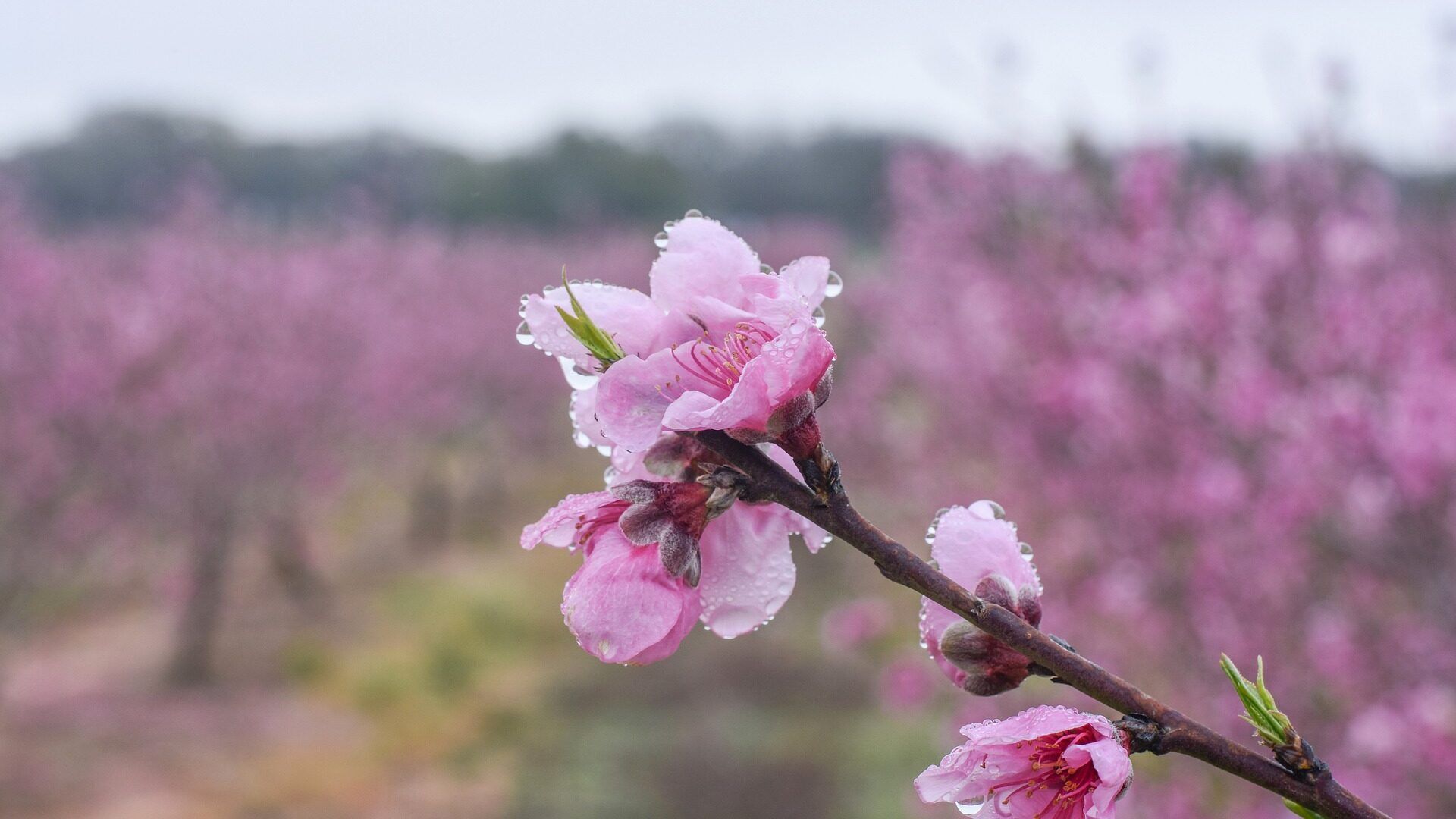
How to scout for peach twig borer in fruit orchards
To scout fruit orchards for the peach twig borer, you will need to inspect the trees for signs of infestation. The peach twig borer is a small moth that lays its eggs on the branches of apricot, almond, cherry, nectarine, plum, pear, and peach trees. When the eggs hatch, the larvae burrow into the twigs […]
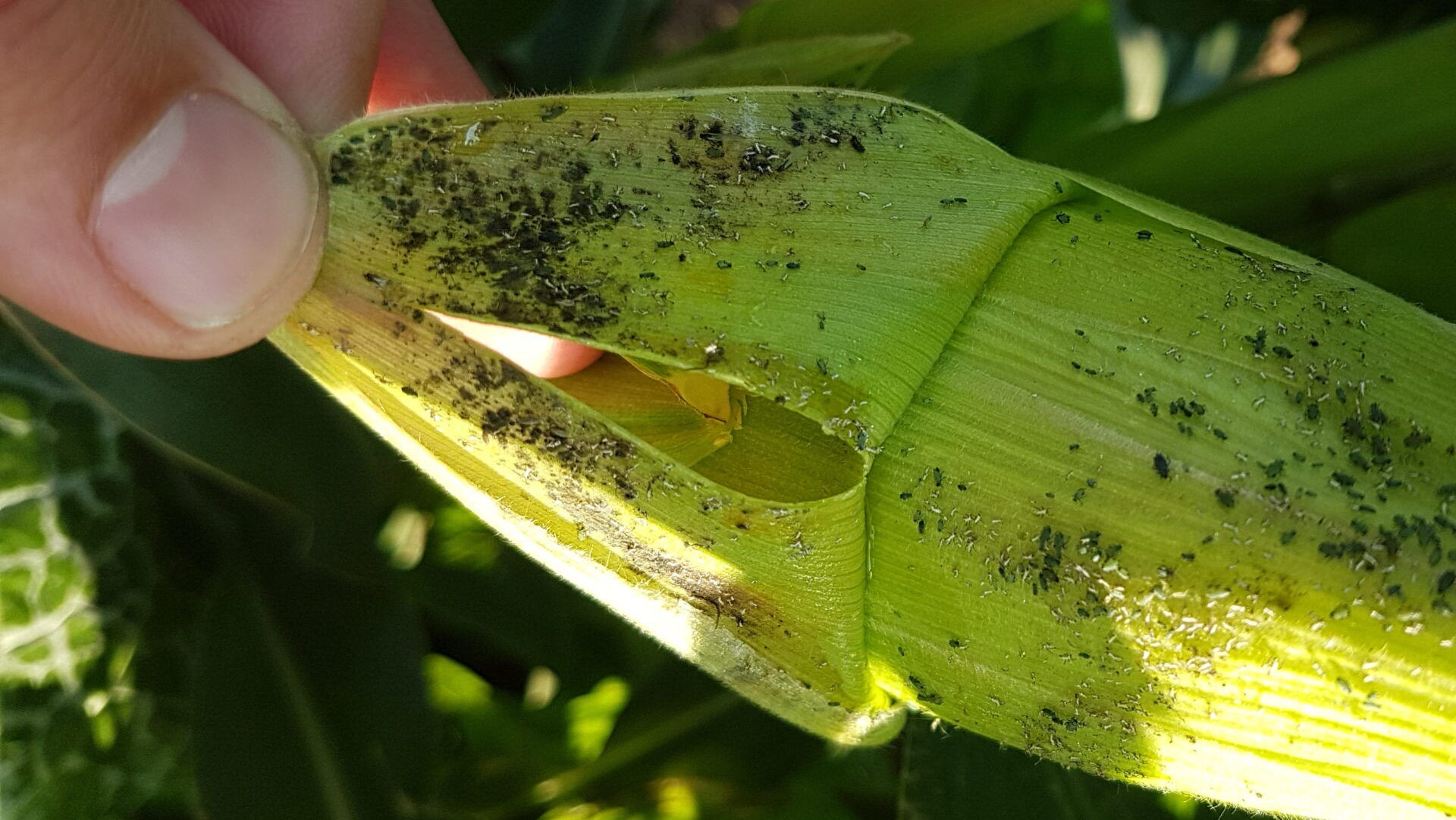
How to scout for aphids in corn fields
Aphids cause substantial damage while they are hidden within the whorl. If aphids are already visible on the plant, significant damage has already occurred. Therefore, it is important to start scout for aphids three weeks prior to tasseling. Randomly select a plant every 40 meters. Pull the whorl upward and out of the plant. Slowly […]
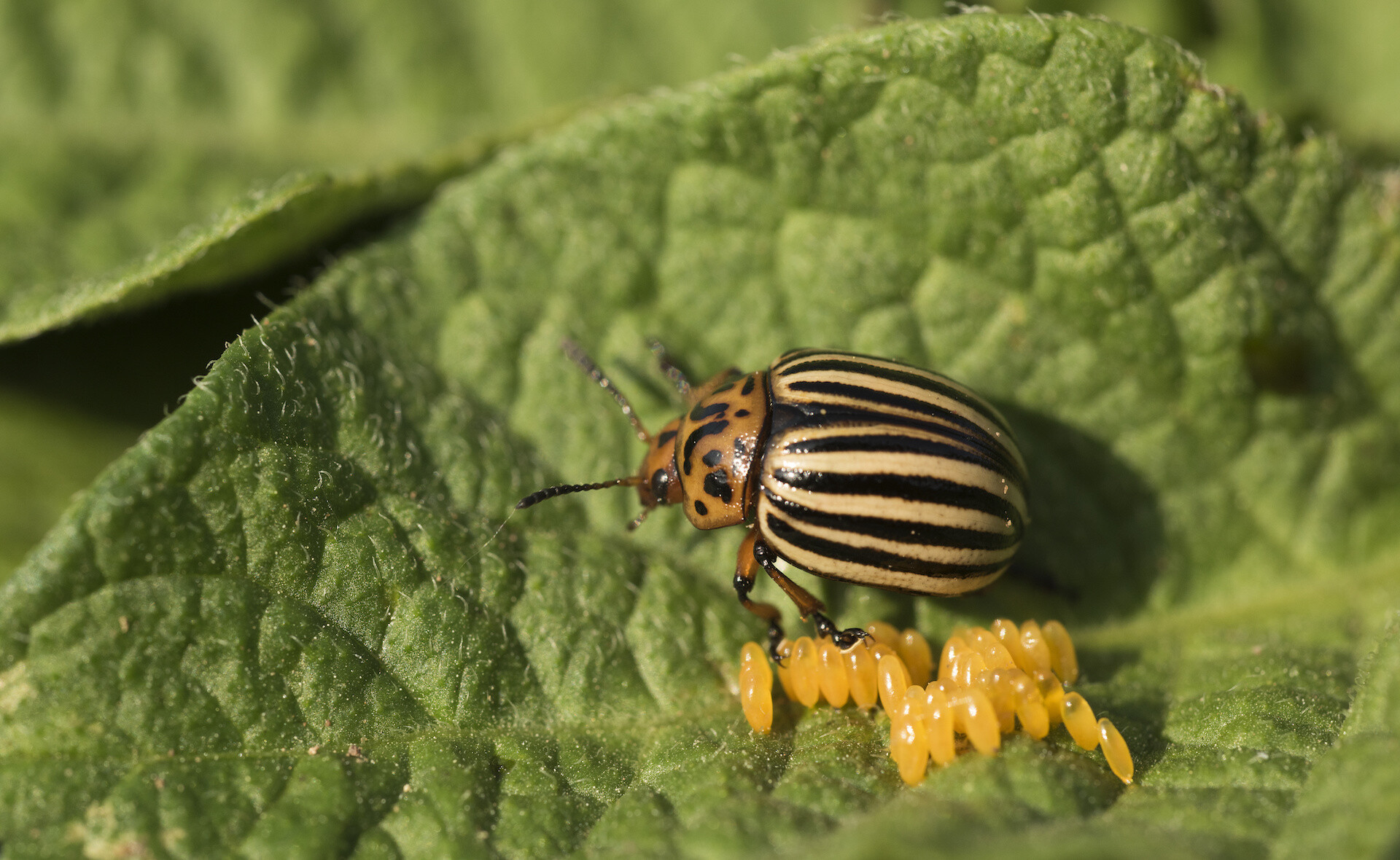
How to scout for colorado potato beetle in potato fields
The Colorado potato beetle is a pest that can destroy potato, eggplant, and pepper crops. If it is not controlled, the beetle will reproduce rapidly and cause damage to the plants. The life cycle of the potato beetle can be predicted by using a weather-based model. It is essential to know the vulnerable period of […]
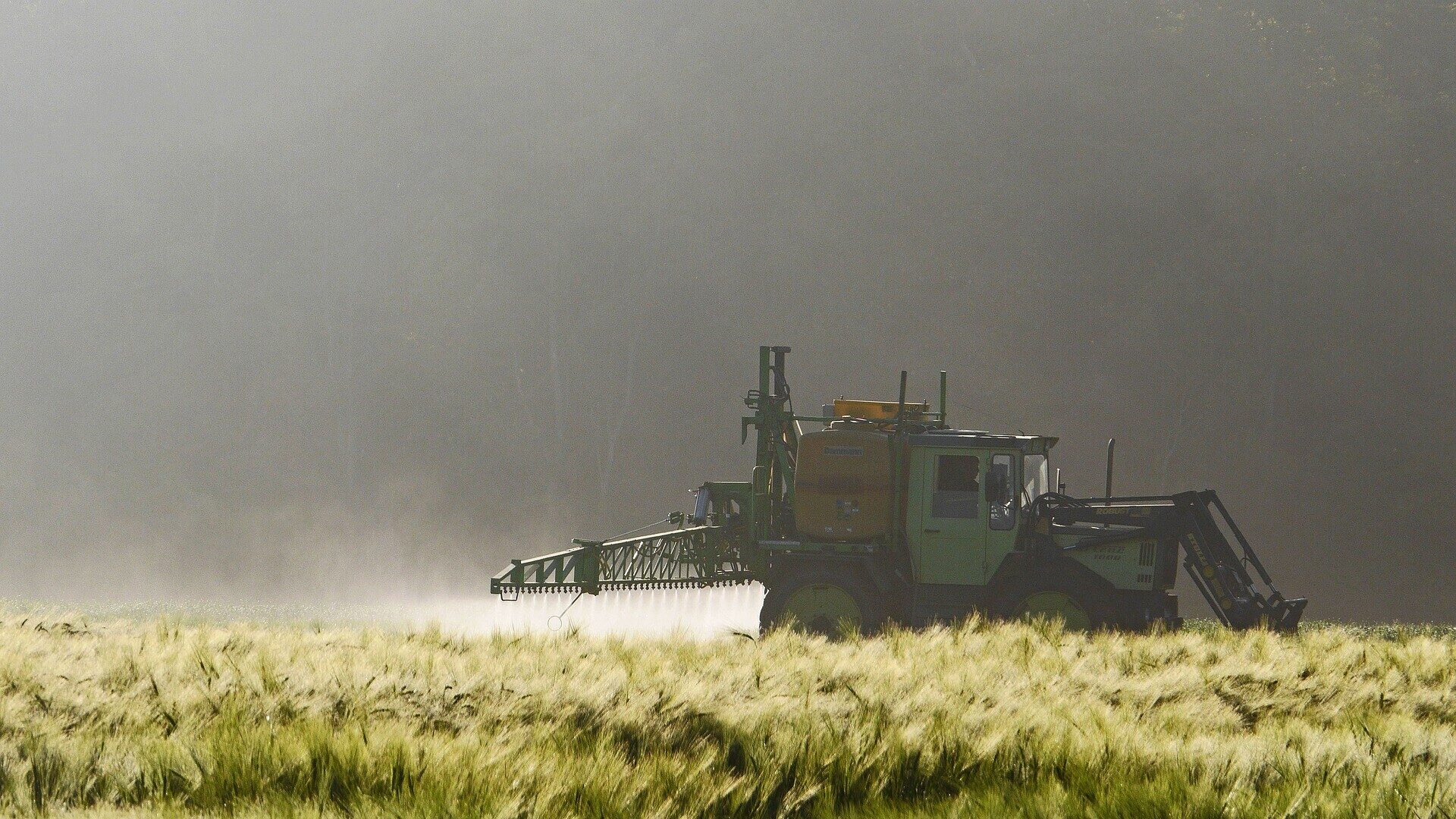
Phytotoxicity causes and how to minimize the risk
Phytotoxicity occurs when a substance causes a toxic effect on plants. Phytotoxicity can occur when chemicals are applied, such as in foliar spraying and irrigation systems, to protect plants from diseases, pests, and other hazards. Additionally, phytotoxicity can occur following applications of fertilizers or growth regulators. There are no control measures; therefore, the focus should […]