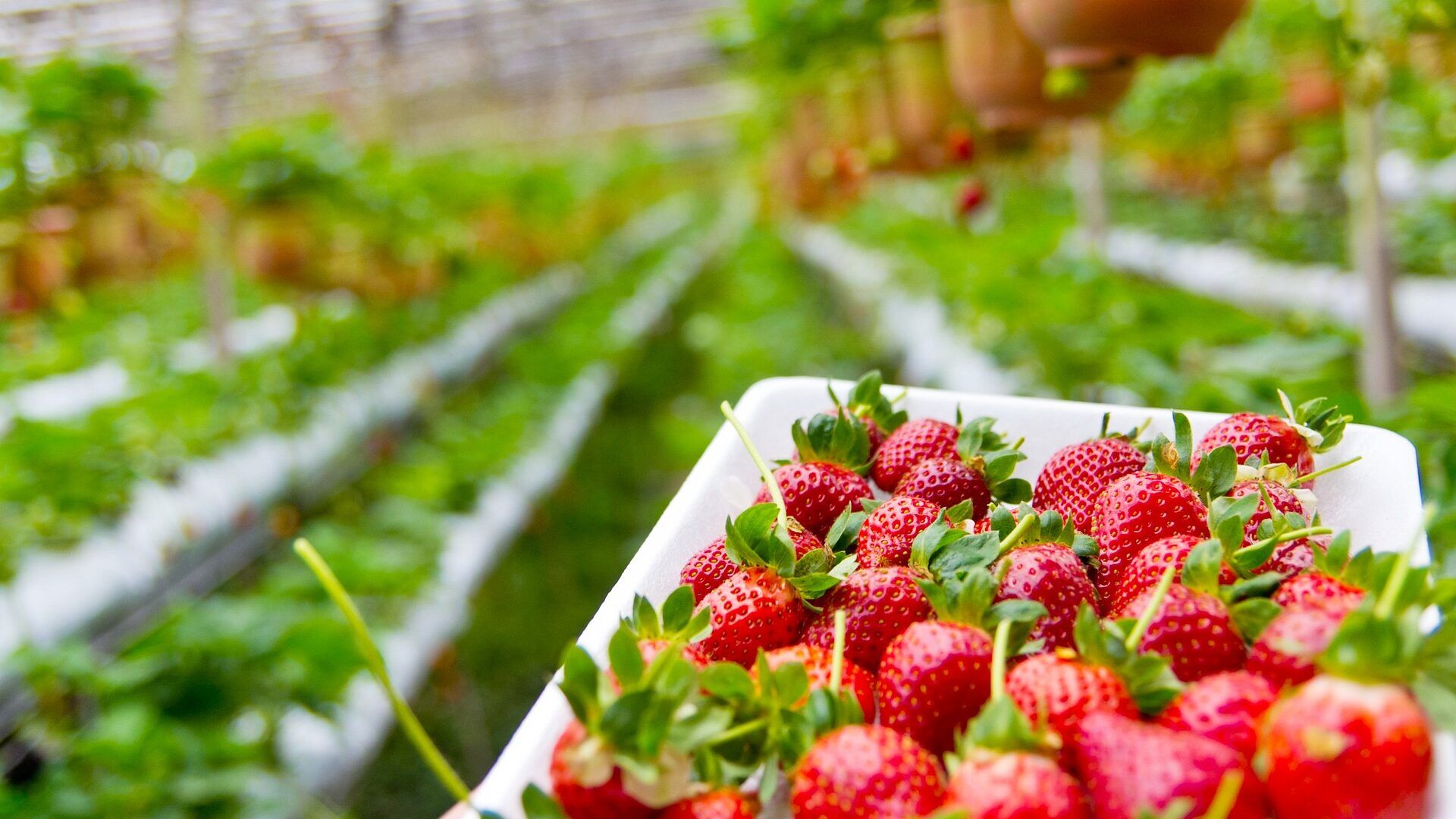
Most “strawberry companion plant” lists online look confident, but they quietly ignore the most important factor of all: your actual garden layout. Sun exposure, shade lines, soil pockets, drainage, and plant spacing matter more than any generic companion list. That’s why many gardeners follow “perfect” advice and still end up with weak yields, mold, or pest outbreaks. Companion planting only works when it’s applied to your real garden, not to a diagram.
Companion planting can be done for various reasons, including to deter pests, improve soil quality, or take advantage of the complementary growth habits of different plants. For home gardeners looking to grow strawberries, choosing the right companion plants can be an effective way to ensure the success of their crop.
Understanding strawberries
Strawberries are a popular and versatile fruit that can be grown in a wide range of climates. They thrive in well-draining soil with a pH of 5.4 to 6.5, and prefer full sun to partial shade. However, strawberries are also sensitive to certain chemicals and pests and can be prone to diseases such as verticillium wilt and gray mold. Understanding strawberries’ specific needs and characteristics is important for choosing the right companion plants.
Choosing the right strawberry companion plants
Many plants make good companions for strawberries; we discuss the best options in the following. It’s important to remember that not all plants will work well as companions for strawberries, and it may take some trial and error to find the right combination for your garden. Additionally, it’s important to consider each plant’s specific needs and characteristics when selecting companion plants, as well as the size and layout of your garden. With careful planning and attention to the needs of each plant, you can create a diverse and harmonious companion planting arrangement that will benefit all of the plants involved.
Herbs as strawberry companion plants
Herbs can make excellent strawberry companion plants for strawberries due to their ability to deter pests and improve the flavor of the fruit.
Herbs such as thyme, chives, and borage are known to repel pests like aphids and spider mites, which can damage strawberry plants. These herbs can also attract beneficial insects like bees and hoverflies, which can help pollinate the strawberries and control pests.
Other herbs like chamomile, dill, and parsley can help improve the flavor and aroma of strawberries. These herbs can be planted nearby to provide a complementary taste and scent to the strawberries.
It’s important to note that not all herbs are good companions for strawberries. Some herbs, like mint, can actually inhibit the growth and development of strawberries, as I mentioned in my previous response. Therefore, it’s important to choose the right herbs to plant alongside your strawberries for the best results.
Flowers as strawberry companion plants
In addition to adding visual appeal to the garden, flowers can also provide practical benefits when grown alongside strawberries. Marigolds, for example, are known for their ability to deter pests and can also add a splash of color to the garden. Nasturtiums are another good option, as they can attract beneficial insects and can also be used in salads or as a garnish.
Vegetables as strawberry companion plants
Vegetables can also make good companion plants for strawberries due to their similar watering and fertilizing needs. Lettuce and spinach are popular choices, as they can be grown alongside strawberries and harvested at the same time. Other vegetables that may complement strawberries include peas, beans, and radishes.
Other fruit trees
In addition to herbs, flowers, and vegetables, other fruit trees can also make good companions for strawberries. Apples, for example, can provide shade for strawberries and can also be grown in the same soil. Blueberries are another good option, as they have similar soil and watering requirements and can also provide shade for strawberries.
Many gardeners unknowingly sabotage companion planting by placing “good” plants in the wrong micro-zones — causing competition, moisture traps, or fungal pressure. The difference between thriving strawberries and struggling ones is often layout precision, not plant choice.
Planting and care
Proper planting and care is important for ensuring the success of any companion planting arrangement. When planting strawberries and their companions, it’s important to consider the specific needs of each plant, including their preferred soil type and sunlight exposure. It’s also important to pay attention to spacing and arrangement, as some plants may need more room to grow or may benefit from being planted in specific patterns. Regular watering and fertilizing according to the needs of each plant can also help ensure their health and productivity.
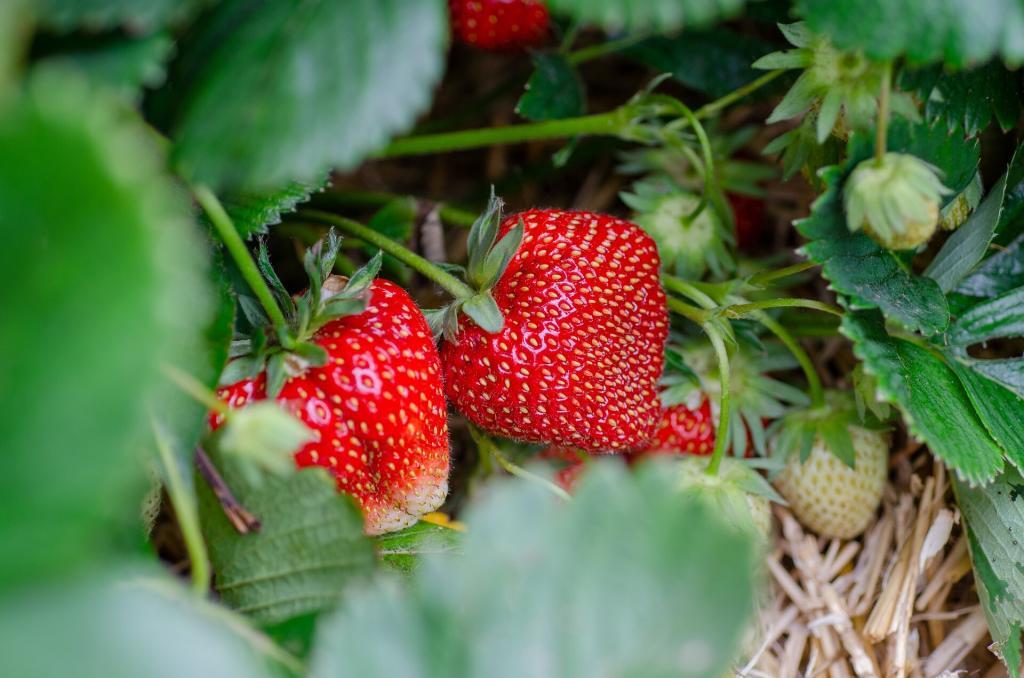
One Proposed Blueprint for a Strategic Strawberry Garden Setup
Our garden design touts the strawberry plant as the centerpiece. Growing borage near strawberries brings several benefits. This herb can amplify the flavor of the strawberries while providing a barrier against harmful pests. Moreover, the bright blue blooms of borage lure advantageous insects such as bees, which play an integral role in pollination, leading to escalated fruit yield.
In addition, incorporating spinach plants into your setup serves dual purposes. Given its limited root depth, spinach doesn’t compete for nutrients or moisture with the strawberry plants. It’s also a swift-growing vegetable, casting an abundant shade over the strawberry plants. This shade protects the strawberries from damaging sun exposure and helps maintain soil temperature, enhancing the fruit output.
Another vibrant addition to your garden could be marigolds. These sunny blossoms serve as organic pest deterrents, warding off nematodes and aphids while simultaneously alluring beneficial insects. The aesthetic appeal of the striking contrast between the red strawberries and blooming marigolds cannot be overlooked and will add visual charm to your garden.
Weed infestation can pose a problem for strawberry gardens. To tackle this, consider sowing thyme around the outer perimeter of the strawberry setup. This pervasive herb acts as a natural weed suppressant. Moreover, its distinct aroma disheartens would-be pests from invading your strawberry plants, contributing to both the health and productivity of your prized strawberries.
Design your garden with our companion AI assistant planning app
GardenDream is not another garden app, it’s an AI garden designer that builds companion planting layouts for your real garden.Instead of guessing where strawberries, herbs, flowers, and vegetables should go, GardenDream analyzes your space, sun movement, drainage, and goals — then designs a custom layout that naturally boosts yield, reduces disease pressure, and minimizes pest outbreaks.It automatically selects companion plants that work together in your specific layout, placing each plant in the micro-zones where it actually thrives. This is the difference between “knowing companion plants” and having a strawberry garden that just works.For gardeners serious about productivity, balance, and long-term soil health — this replaces spreadsheets, guesswork, and trial-and-error.
Summary
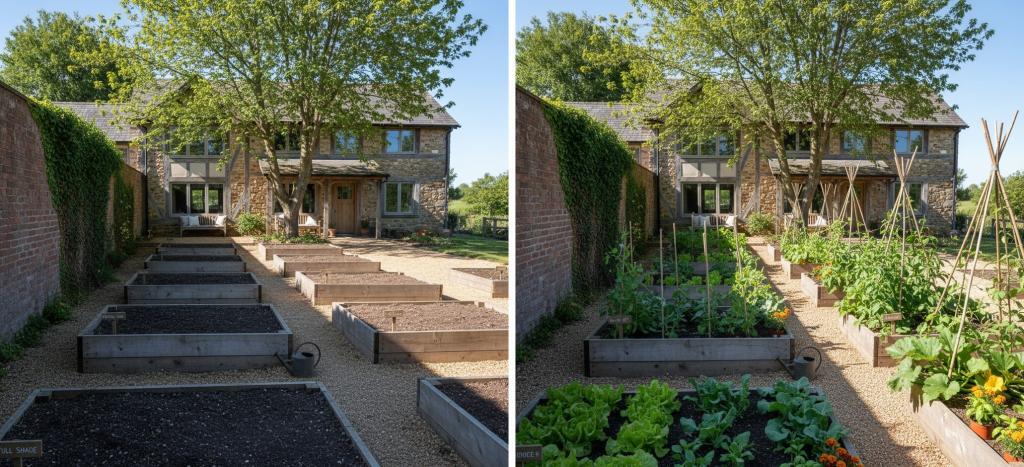
Companion planting is not about memorizing plant lists, it’s about designing a living system that fits your garden’s unique conditions. When strawberries are placed in the right micro-zones and supported by correctly positioned companions, yields increase, pests decline, and disease pressure drops naturally.If you want your strawberry garden to thrive instead of “hoping the list works,” using an AI layout designer like GardenDream and plant care app like Agrio turn companion planting into a predictable, repeatable system, not an experiment.
- The Gap Between Steps: Why the Future of Farming Isn’t Episodic
- The Silent Killer of Gardens: How to Solve Poor Drainage and Save Your Plants
- How to Reduce Plant Returns and Boost Customer Loyalty
- Gardening for Dummies: Your Guide to a Successful Growing Season
- Gardening Myths: Get the Facts with AI Pocket Agronomist